Brunei Darussalam
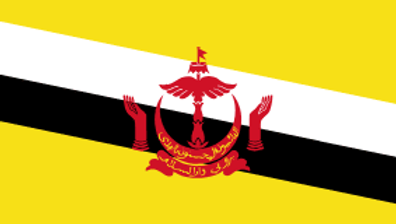
As of early 2026, Brunei Darussalam remains an absolute monarchy where the Sultan holds full executive authority. The human rights landscape is heavily defined by the Syariah Penal Code (SPC), which integrates strict religious laws into the national legal framework, and the overarching national philosophy of Melayu Islam Beraja (Malay Islamic Monarchy).
The primary human rights issues in Brunei currently include:
1. The Syariah Penal Code and the Death Penalty
The full implementation of the Syariah Penal Code in 2019 continues to draw international scrutiny, particularly regarding corporal and capital punishment.
Death by Stoning: Under the SPC, "crimes" such as adultery (zina), anal sex (liwat), apostasy from Islam, and blasphemy are technically punishable by death by stoning.
De Facto Moratorium: As of 2026, the Sultan maintains a de facto moratorium on the death penalty, meaning no executions have been carried out (the last was in 1957). However, the laws remain on the books, and the moratorium could be lifted at any time by royal decree.
Corporal Punishment: Punishments such as public flogging and amputation for theft remain legal under the code, which human rights groups characterize as "torture" under international law.
2. Severe Restrictions on LGBTQ+ Rights
Brunei is often cited as one of the most restrictive countries for LGBTQ+ individuals.
Criminalization: Both male and female same-sex relations are illegal. While the death penalty for these acts is under moratorium, the "default" punishments remain severe: up to 10 years in prison and 40 lashes for women, and significant prison terms or whipping for men.
Gender Expression: The law criminalizes "posing as the opposite sex." In 2025, there were reports of individuals being fined and threatened with imprisonment for cross-dressing in public spaces.
Surveillance: LGBTQ+ community members report frequent monitoring of their social media and private communications by state authorities, leading to a high degree of self-censorship.
3. Religious Freedom and Apostasy
Islam is the state religion, and the government actively discourages or prohibits the practice of other faiths in public.
Banned Groups: Religious groups deemed "deviant"—including Ahmadiyya, Baha'i, and Jehovah’s Witnesses—are prohibited.
Restrictions on Non-Muslims: Non-Muslims are forbidden from proselytizing and are restricted from using certain words associated with Islam (such as "Allah" or "Quran") in a non-Islamic context.
Pressure to Convert: Reports from late 2025 highlight that members of indigenous communities and non-Muslim workers often feel social and professional pressure to convert to Islam to gain access to housing, welfare, or job stability.
4. Statelessness and Citizenship
Statelessness remains a persistent structural issue affecting thousands of long-term residents.
The "Permanent Resident" Trap: As of 2026, there are approximately 20,000 stateless persons in Brunei. Most are ethnic Chinese or members of indigenous tribes whose families have lived in the country for generations but are denied citizenship.
Gender Inequality in Nationality: Women cannot pass their nationality to their children on an equal basis with men. While the government granted citizenship to roughly 400 individuals in a 2022–2023 naturalization drive, the process remains slow and opaque.
5. Lack of Democratic Participation and Press Freedom
Absolute Monarchy: There are no elected representatives at the national level. Political parties are largely inactive or non-existent, and the "State of Emergency" declared in 1962 remains technically in effect.
Media Control: The country’s primary news outlets are owned or controlled by the royal family. Journalists practice extreme self-censorship to avoid being charged under the Sedition Act or the Public Order Act, which criminalizes the spreading of "false information" or criticizing the monarchy.
6. Labor Rights and Migrant Workers
Foreign laborers (mostly from the Philippines, Indonesia, and Bangladesh) make up a large portion of the workforce and face specific vulnerabilities.
No Unions: Strikes are prohibited, and there are no formal labor unions or collective bargaining rights in the country.
Abuse and Trafficking: Reports persist of wage arrears, confiscation of passports, and poor living conditions for migrant workers. In 2025, the U.S. State Department noted that while Brunei identifies victims, it still struggles to adequately prosecute traffickers.