Netherlands
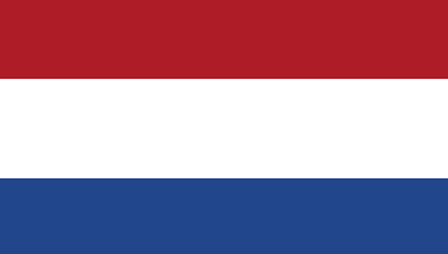
In early 2026, the Netherlands continues to be ranked as one of the freest and most stable democracies in the world. However, the country faces significant human rights challenges that have intensified due to political shifts following the late 2023 elections and subsequent far-right coalition policies.
The primary concerns involve the "hardening" of asylum policies, institutional racism, and landmark legal battles over climate change.
1. Asylum and Migration: A Policy "Hardening"
The new governing coalition, which includes the far-right PVV, has introduced some of the strictest migration proposals in Dutch history.
Deportation Deals: In late 2024 and throughout 2025, the Netherlands explored "offshore processing" models similar to those of Italy and the UK. By early 2026, a controversial deal with Uganda was finalized to deport rejected African asylum seekers there for processing.
Family Reunification: The government has moved to significantly restrict family reunification rights, a move that human rights organizations like Amnesty International have labeled as a violation of the European Convention on Human Rights (ECHR).
Reception Crisis: While the "Spread Law" (requiring all municipalities to accept asylum seekers) was intended to prevent overcrowding, the new government sought its repeal in 2025, leading to renewed concerns about sub-standard living conditions at the central reception hub in Ter Apel.
2. Institutional Racism & Profiling
Despite public apologies for the "Slavery Past" and the "Childcare Benefits Scandal" (Toeslagenaffaire), systemic discrimination remains a structural issue.
Ethnic Profiling: A 2025 report by the Netherlands Institute for Human Rights found that racial profiling by police during traffic stops and "preventative searches" remains a government-wide problem.
Algorithmic Bias: The use of risk-profiling algorithms in the benefits system—the same technology that led to the childcare scandal—continues to be scrutinized. Monitors have warned that students and low-income families with dual nationalities are still disproportionately targeted by fraud-detection systems.
3. Climate Change as a Human Right
The Netherlands is a global leader in climate litigation, with recent court rulings expanding the definition of "right to life" to include environmental protection.
The Bonaire Landmark (January 2026): In a historic ruling just weeks ago, The Hague District Court found the Dutch government’s climate policy discriminatory against the residents of Bonaire (a Dutch Caribbean territory).
Court Order: The court ruled that the government had failed to protect Bonaire—which is highly vulnerable to rising sea levels—with the same urgency as the European Netherlands. The state is now legally required to develop a binding adaptation and mitigation plan for the island within 18 months.
4. Freedom of Assembly and Surveillance
While the right to protest is generally respected, there is a growing trend of "securitizing" dissent.
Surveillance of Protesters: Throughout 2025, police increasingly used drones and facial recognition technology at climate (Extinction Rebellion) and Palestinian solidarity protests. Advocacy groups have raised alarms over the lack of transparency regarding how this data is stored and used.
Legislative Restrictions: In late 2025, the Ministry of Justice explored new powers to ban specific protest tactics, such as highway blockades, leading to a national debate on the boundaries between civil disobedience and public order.
5. Privacy and Digital Rights
Cyber Surveillance: The Temporary Cyber Operations Act (2024) granted intelligence services (AIVD and MIVD) broader powers to "hack back" and conduct bulk data collection. In early 2026, civil rights groups are challenging the law’s lack of independent, prior judicial oversight.
Encryption: The Netherlands has been a key voice in the EU debate over "client-side scanning." While the government officially abstained from supporting moves to break end-to-end encryption in 2024, privacy advocates remain vigilant about new proposals under the guise of child safety.