Republic of Moldova
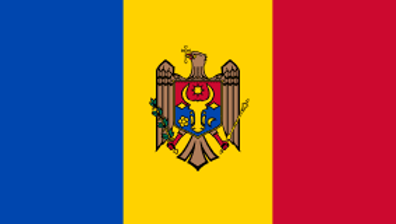
As of 2026, the Republic of Moldova is in a transitional period, balancing its push for EU accession with significant human rights challenges exacerbated by regional instability. While the government has made legislative strides, deep-seated social conservatism and the "frozen conflict" in Transnistria remain major hurdles.
1. The Transnistria Conflict and Occupied Territories
The breakaway region of Transnistria remains the most severe human rights "black hole" in the country.
Systemic Repression: The de facto authorities in Tiraspol continue to suppress dissent. In 2025, reports highlighted the "militarization" of education and total control over the information space.
Arbitrary Detention: Residents face illegal detention and torture with no access to Moldovan or international judicial oversight.
Freedom of Religion: Religious minorities, particularly Jehovah’s Witnesses, face ongoing harassment and are frequently denied registration under local "extremist" laws.
2. Digital Violence and Women’s Rights
Moldova has recently taken pioneering steps to address modern threats to women.
Criminalizing Digital Abuse: As of February 14, 2026, new legal amendments officially criminalized stalking and digital violence (such as non-consensual sharing of intimate images).
Gender-Based Violence (GBV): Despite the 2021 ratification of the Istanbul Convention, domestic violence remains high. Nearly 65% of women active online have reported some form of digital harassment.
Political Representation: Moldova remains a regional leader in representation, with women holding over 40% of parliamentary seats as of 2026.
3. LGBTQ+ Rights and Social Conservatism
There is a stark divide between Moldova's improving legal framework and its social reality.
Anti-Discrimination Success: In 2023, the government explicitly added sexual orientation and gender identity to its general anti-discrimination laws.
Lack of Family Recognition: Despite legal protections in the workplace, same-sex marriage remains constitutionally banned, and same-sex unions are not recognized.
Public Sentiment: Hostility remains high; a significant portion of the population still favors the criminalization of LGBTQ+ advocacy, often fueled by conservative religious rhetoric.
4. Freedom of Expression and "War-Time" Measures
The war in neighboring Ukraine has led to controversial restrictions on speech.
"High Treason" and Media Bans: The Parliament passed a new definition of high treason in late 2024 that critics argue is too vague. Several pro-Russian broadcasting licenses have been suspended without full judicial oversight to counter disinformation.
Self-Censorship: Journalists report a growing "chilling effect," where they avoid criticizing the ruling party for fear of being labeled as "pro-Kremlin" or losing access to state resources.
5. Refugee and Humanitarian Crisis
Moldova continues to host one of the highest numbers of Ukrainian refugees per capita.
Strain on Resources: Approximately 148,000 refugees remain in the country in early 2026.
Poverty and Vulnerability: Around 44% of refugees live in poverty. There are ongoing concerns regarding the closure of state accommodation centers, which has forced some vulnerable groups into precarious housing situations.