Seychelles
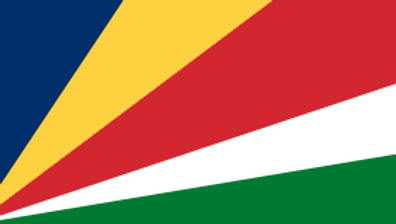
As of February 2026, the Seychelles is often cited as a regional leader in human rights within Africa, characterized by strong governance and proactive legislative reforms. However, the nation faces specific "last-mile" challenges regarding the implementation of its new laws and the protection of a large migrant workforce.
1. LGBTQ+ Rights: A Regional Exception
Seychelles is one of the few African nations that has moved beyond decriminalization toward active protection.
Hate Crimes Legislation: In September 2024, the National Assembly passed a landmark amendment to the Penal Code that criminalizes hate speech and hate-motivated crimes. Critically, the law explicitly includes sexual orientation and gender identity as protected characteristics—making Seychelles only the second African country (after South Africa) to do so.
Decriminalization Legacy: Consensual same-sex acts have been legal since 2016. While social stigma persists in more conservative religious pockets, the legal framework is increasingly supportive.
Marriage Equality Gap: Despite these advances, same-sex marriage and civil unions are not yet legally recognized as of 2026.
2. Human Trafficking and Migrant Labor
The Seychelles faces a unique challenge: migrants make up approximately 25% of its workforce, creating significant vulnerabilities.
Tier 1 Status: In its 2025 Trafficking in Persons Report, the U.S. State Department ranked Seychelles as "Tier 1" for the third consecutive year. This reflects the government’s success in convicting traffickers and funding specialized victim shelters.
The "SITZ" Vulnerability: A persistent concern in 2026 is the Seychelles International Trade Zone (SITZ). Labor laws are often weakly enforced in this zone, where migrant workers in the tuna canning and construction industries have reported withheld wages and the illegal retention of passports by employers.
Access to Justice: In late 2025, the government removed the fee previously required for migrant workers to file complaints with the Labour Tribunal, a major step in lowering barriers to legal recourse.
3. Women’s Rights and Domestic Violence
While Seychelles achieves high marks for gender parity in education, the "home front" remains a site of inequality.
Domestic Violence Act (2020): 2025 and 2026 have been defined by the first full-scale implementation of this Act. In December 2023, the government officially established a specialized domestic violence shelter and began mandatory training for police officers.
"Economic Agency" Gap: A 2025 UN review highlighted that while women are well-represented in management (approx. 52% of managerial positions), they still bear the vast majority of unpaid care work, which limits their long-term economic mobility.
Sexual Harassment: Despite parity in employment, an Afrobarometer study from January 2026 found that 26% of Seychellois say women "often" or "always" experience sexual harassment in public spaces, indicating that legal progress has not yet fully shifted public safety realities.
4. Freedom of Expression and Media
The media environment is generally free, but "institutional friction" has emerged in the last year.
Access to Information: In early 2026, the Seychelles Media Commission (SMC) noted that while journalists are rarely arrested, access to information held by public officials remains a hurdle. Government agencies often delay responses to investigative queries.
Media Guidelines: Following a peaceful protest by the Association of Media Practitioners in late 2024, the government has been working with journalists in 2025/2026 to update "outdated" media laws that some fear could still be used for criminal libel.
5. Rights of the Child
Corporal Punishment: Seychelles is a regional pioneer, having banned all forms of corporal punishment (including in the home) in 2020.
Educational Gaps: A recent focus in 2026 has been the "boy gap"—statistics show that boys are consistently lagging behind girls in academic achievement and are more vulnerable to the country's ongoing drug and substance abuse crisis.